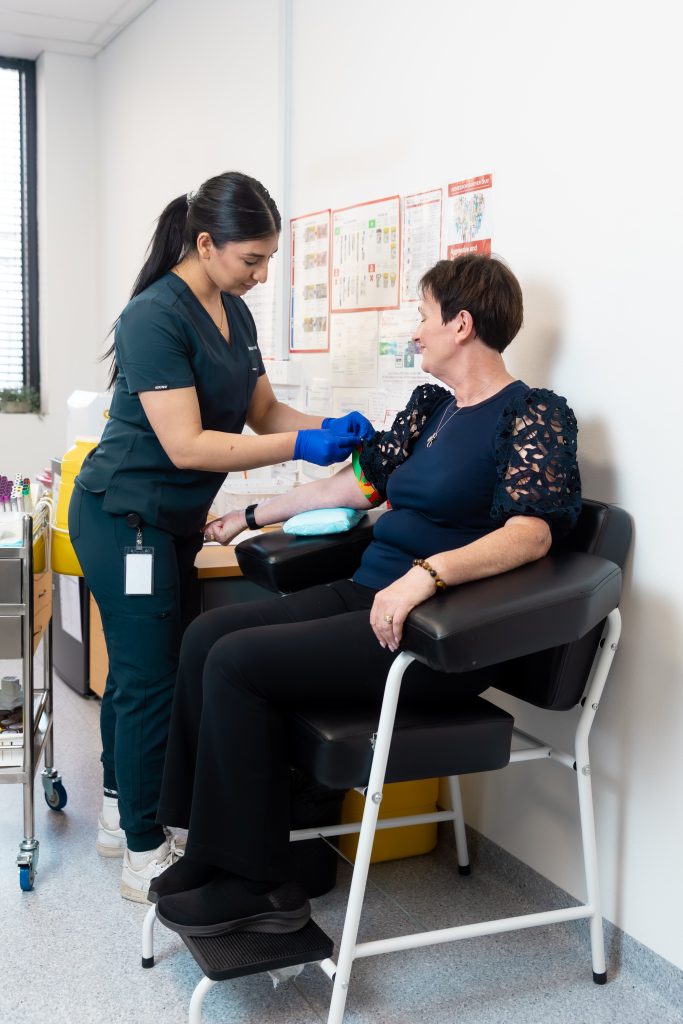
When it comes to your health, prevention is preferable to cure. The earlier you understand your health risks, the better you can manage them. This is why physical examinations are such a powerful tool.
A physical examination is a comprehensive evaluation of your body, performed by a medical professional. It can track your baseline health status, provide early detection of disease, and assess your health and fitness. It can also provide invaluable information to guide treatment of a chronic condition or recovery from an injury.
This type of examination, available as part of our diagnostic program or longevity membership, empowers you with knowledge about where your body is at the moment and guidance on what you can do to stay as fit and healthy as possible moving forward.
Key takeaways
- The assessment helps with understanding your health baseline and detecting risks early
- It combines medical history, lifestyle, scans, physical assessments, and lab work
- It provides personalised guidance and information so you can support your health over the long term
Who should book a physical exam?
If you want to take a proactive approach to your health – rather than reacting once something has already gone wrong – a physical examination can be a powerful tool, regardless of whether you have any symptoms.
There are also some demographic groups that could particularly benefit from this form of assessment.
Busy professionals
The single, comprehensive session works well if you have a busy schedule. For many business leaders, an executive check-up provides a time-efficient way to stay informed about their health. The assessment can provide advice on enhancing your physical and cognitive capabilities, such as building resilience, increasing stamina, and managing stress.
Adults over the age of 35
For many people, their mid-30s are a valuable time to start thinking about preventive health. Regular physical examinations can help identify potential issues early, often before symptoms appear.
People with a family history of disease
If you have a genetic risk of a condition such as heart disease, diabetes, cancer, or hypertension, you don’t want to wait for symptoms to appear. Even when you feel well, your baseline risk may already be higher. Early detection health checks mean you can act proactively rather than reactively.
Health-conscious individuals
If you exercise regularly, eat well, and stay on top of stress, understanding what this means for your body can give you a data-driven baseline to work with. This is especially valuable if you are considering lifestyle changes.
People experiencing subtle symptoms
Vague, subtle symptoms – like brain fog, poor sleep, or low energy levels – can be easy to brush off, attributed to stress or fatigue. Many people might not even raise these issues in GP consultations.
A more comprehensive examination can delve deeper into these concerns to determine if there is anything that requires further investigation.
High performers
Whether you’re an athlete or an entrepreneur, peak performance is the key to success. Gain actionable insights on factors such as sleep quality, metabolic efficiency, and recovery capacity so you can be at your best.
What to expect during a physical exam
You can think of a physical examination as a full-body check-up because it assesses multiple systems throughout the body. This goal guides what happens during the examination.
Pre-assessment preparation
You may be asked to complete a paper or digital questionnaire about your medical history before arriving at your appointment.
What it involves: Providing details of your health (such as lifestyle, family history, and medications), plus fasting instructions for biomarker testing.
What it’s for: Helping build a baseline understanding of your health status and allowing the physician to tailor the examination to your needs.
In-depth medical and lifestyle review
A conversation with the physician forms the foundation of your examination.
What it involves: Discussing your personal and family medical history and lifestyle, as well as any symptoms, concerns, or questions.
What it’s for: This provides context to your current health status, identifies potential risk factors, and signals any areas that might need further investigation.
Vital signs and physical assessment
A structured series of tests to assess your key body functions.
What it involves: You’ll have tests for blood pressure, heart and lung function, reflex, coordination, and balance checks, as well as assessment of your posture, mobility, and joint function.
What it’s for: Providing a baseline of your cardiovascular, respiratory, neurological, and musculoskeletal health.
Biomarker testing
Blood and urine samples are taken for laboratory analysis.
What it involves: You may be tested for vitamin, nutrient, and hormone levels, cholesterol and lipid profiling, blood sugar and insulin levels, and inflammation markers.
What it’s for: These tests can help show whether you have any metabolic imbalances, disease risks, or nutritional deficiencies.
Cardiovascular screening
Depending on your level of assessment, you may undergo heart-health tests.
What it involves: These tests could include an electrocardiogram (ECG), or heart imaging scans, such as a CT Calcium Score.
What it’s for: Evaluating heart rhythm, function, and performance can detect early signs of cardiovascular disease.
Imaging and diagnostic scans
You may undergo targeted imaging tests, particularly if your risk profile suggests they are appropriate.
What it involves: Depending on your level of assessment, you could have ultrasound scans of your thyroid or abdomen, or MRI or CT scans.
What it’s for: Assessing internal elements of your body to detect abnormalities that can’t be determined solely by the physical assessment.
Body composition and fitness testing
To add to your assessment, your physician may also evaluate your overall fitness and physical condition.
What it involves: This stage could include measuring body fat percentage, muscle mass, and fitness or endurance testing.
What it’s for: Gaining insight into your metabolic health, fitness, and body composition, beyond simple metrics such as BMI.
Personalised report
The results of all your tests are compiled into a personalised health evaluation. In a follow-up meeting – typically via telehealth around 14 days later – you’ll discuss them with your physician.
What it involves: Reviewing the data and explaining it in clear, comprehensible language.
What it’s for: You gain an in-depth understanding of your health and wellbeing, enabling you to prioritise the most effective strategies moving forward to promote wellbeing.
Action plan
Based on your assessment and goals, you’ll get a personalised plan for long-term health.
What it involves: Diet and lifestyle recommendations, exercise guidance, preventative health strategies (such as supplements), referrals for further tests, if required.
What it’s for: Moving beyond screening to provide actionable steps you can take to maximise long-term health improvement and reduce risk factors.
How to prepare for your appointment
Preparing for your physical examination is simple and does not need extensive planning. However, there are a few things you can do to get things off to a smooth start.
Preparing for a physical examination
| Preparation | What it means | Why it helps |
| Fasting | If required for biomarker testing, you may need to refrain from eating or drinking anything except water for eight to 12 hours before your appointment | Ensures the most accurate readings for key health markers, such as cholesterol and glucose |
| Note symptoms | Even if they seem minor, keep track of any symptoms to discuss with your physician | Ensures the physician can address your concerns and gain a complete picture of your current health status |
| List medications | Write down any medications you currently take and how often you take them | Indicates health trends over time, and is important information to know for recommendations of suitable treatments and supplements |
| Questions and goals | Compile a list of questions you have about your health, as well as any specific concerns, goals, and information you’d like to know | Ensures that the examination addresses your specific requirements, to provide more tailored, actionable steps going forward |
| Dress comfortably | Wear relaxed, loose-fitting clothing for your examination | This makes it easier to conduct certain tests, such as blood pressure checks and joint analysis |
The benefits of a comprehensive physical examination
The real value of a physical examination isn’t simply the individual tests themselves; it’s in how they combine to build a complete picture of your health and guide what to do next. Here are the key benefits of a comprehensive health check.
Detect risks before symptoms appear
A physical examination is a form of preventive health screening, as it seeks to identify health risks before they become problems (or even show up as symptoms). Detecting conditions such as high cholesterol, diabetes, or cardiovascular anomalies can be simpler, more effective, and far less invasive than treating the disease once it’s established.
Gain a data-driven view of your health
Rather than relying on isolated tests or brief consultations, a comprehensive exam brings many data points together so you get a coherent whole-of-body picture, inside and out. This integrated approach provides far greater clarity about where potential problems might be, and where you can make improvements.
Receive personalised guidance
You receive recommendations based on your actual results, risk profile, and lifestyle. This means you can align your health strategy with your body, your goals, and your lifestyle, rather than a one-size-fits-all model. It swaps out guesswork for a structured, evidence-based roadmap.
Gain improved energy, focus, and performance
The longer timeframe of a physical examination means you can learn about factors affecting everyday health, such as sleep quality and stress levels, and make adjustments to improve them. These sorts of things are often overlooked in shorter GP appointments.
Boost confidence and decision-making
Replacing uncertainty with the evidence gathered during a physical examination means you no longer wonder whether something might be wrong or how you might tackle it. Clear, evidence-based feedback means confidence that you are making the best decisions for your future.
A baseline for future health tracking
Measuring what matters gives you a detailed snapshot of where your health is today. That helps with long-term monitoring as well as assessing the impact of lifestyle changes, treatments, supplements, or interventions.
5 misconceptions about physical examinations
Just as some people don’t know how a comprehensive physical exam differs from more standard procedures, there are also certain misconceptions that can surface. Here are some of the most common ones.
1. Physical examinations are only necessary if you feel unwell
One of the primary benefits of a comprehensive health check is to prevent problems further down the track. It can help identify potential health issues before symptoms appear, so you can take proactive steps to minimise their impact.
2. Physical examinations are only for older adults
While older people can certainly benefit from a physical exam, increasing health and longevity are important for people of all ages, and taking action early can often improve outcomes later in life.
3. You can’t ask questions or express concerns during the appointment
Physical examinations are a conversation. You’re encouraged to discuss symptoms and preferences with your physician throughout the process. They are also dedicated to ensuring the process is as relaxing as possible, so raise any worries, and your physician will address them.
4. Physical examinations are only about checking for disease
Assessing risk factors for disease is an important part of a physical examination. However, they are also used to track fitness, assess recovery from injury or illness, support preventive care, and provide guidance about your health.
5. All health checks are the same
There are different types of appointments for different medical needs. These range from quick GP appointments to address a direct concern to specialised scans for specific symptoms. Where a physical examination differs is in its depth across many data points. This provides a comprehensive portrait of your health status.
How to book a physical exam with HealthScreen
We offer comprehensive physical examinations at our world-class medical centres in Sydney and Melbourne. They are available as part of our diagnostic programs or our longevity memberships.
Diagnostic programs
If you’re keen to get a one-time snapshot of your health, a diagnostic program is ideal. You’ll receive valuable information about your current health status, from body composition and muscle mass, to the activity of your heart via an ECG.
Advanced diagnostic health tests are all about gaining insights into where you are now, so you can make the best decisions for your health moving forward.
Longevity memberships
If you want ongoing guidance to improve your lifespan and long-term health, a longevity membership is the way to go. The information from your physical examination and other tests becomes the basis for a personalised program of health. You receive continued tracking, testing, and optimisation by medical professionals.
You pay a monthly fee and, depending on your level of membership, have access to targeted scans, monthly wellness treatments, biomarker testing, IV infusions, and longevity pharmaceuticals, all guided by your biology, goals, and lifestyle.
Ready to take control of your health?
A physical examination is ultimately a health check for long-term health. It can provide reassurance, because you can better understand your body, and so have the information you need to take proactive steps to support long-term health.
At HealthScreen, we’re committed to helping you make these positive steps. Our qualified medical professionals will ensure your physical examination is a careful and complete assessment tailored to your needs.
Choose your diagnostic program or longevity membership, or call us on 1300 031 300 to speak to our client concierge team. We’ll be more than happy to guide you through the process.
FAQ
What is a physical examination?
A physical examination is a comprehensive review conducted by a medical professional that provides a detailed picture of your health status. It includes taking your medical history and discussing family and lifestyle factors – like stress – that could affect it. You’ll also receive a physical assessment as well as a benchmarking of your vital signs.
The assessment may also include lab tests for a range of biomarker indicators and diagnostic scans. It provides a level of detail that puts you in the best position to understand your health – and the best ways to preserve it.
How long does a physical examination take?
At HealthScreen, a comprehensive physical examination takes around 30 to 45 minutes.
How often should you get a health check like a physical exam?
This will depend on your age, medical history, risk factors, and lifestyle. Many people benefit from an annual health assessment, particularly if they want to track the impact of lifestyle changes.
Others may require more frequent monitoring based on existing conditions. Your physician can recommend an appropriate schedule based on the results of your first exam.