What Is Biological Age (and Can You Change It)?
Medically reviewed by Dr David Badov, Medical Director, MBBS FRACP
Biological age is a measure of how fast your cells and tissues are actually aging, distinct from chronological age, which is simply the number of years since you were born. Two 45-year-olds can have very different biological ages depending on genetics, lifestyle, inflammation and disease risk.
Biological age vs chronological age
| Chronological age | Biological age | |
|---|---|---|
| What it measures | Time since birth | Cellular and physiological ageing rate |
| How it changes | Fixed, increases by exactly one year, every year | Can move faster or slower than chronological age |
| How it’s measured | Birth certificate | Biomarkers — most validated method is an epigenetic clock (e.g. GrimAge), which analyses DNA methylation |
| Why it matters | Legal and administrative reference point | Linked to disease risk, mortality and healthspan in published research |
Can you change your biological age?
You can influence the pace of biological aging, but you cannot reset chronological age, and no test or intervention “reverses” age in a literal sense. Sustained changes to physical activity, nutrition, sleep and stress are associated with a slower rate of biological aging in published research. Smoking is one of the most consistently documented accelerants.
Common mistakes people make
- Expecting a single lifestyle change to shift their number within weeks. DNA methylation changes over months of sustained behaviour, not days.
- Treating a free online “biological age calculator” as equivalent to a validated blood-based epigenetic test. Self-reported quizzes estimate general wellness; they aren’t validated against mortality and disease outcomes.
- Assuming a good result means future risk is eliminated. It’s a risk marker, not a guarantee.
How HealthScreen measures biological age
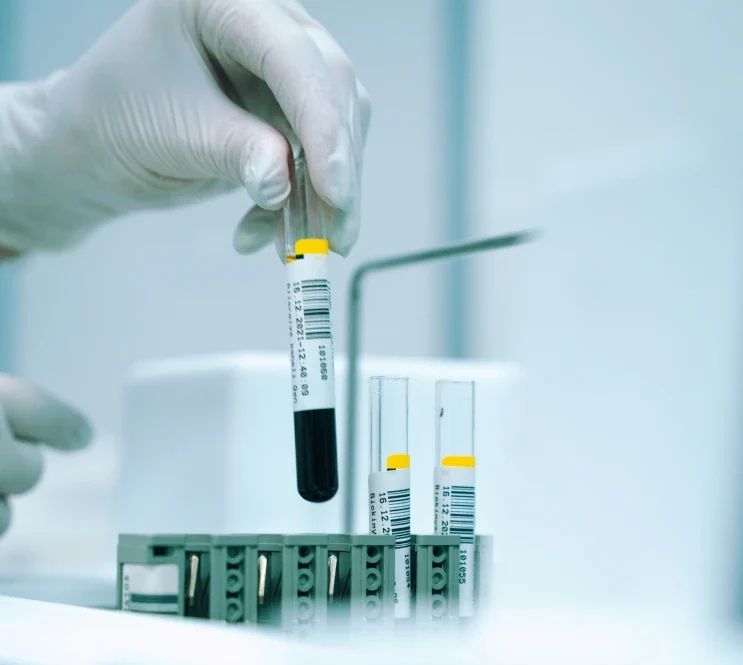
HealthScreen uses GrimAge, a peer-reviewed epigenetic clock developed at the Horvath Lab (UCLA), delivered as a blood test alongside your comprehensive health screening programs. Full detail on the test, pricing and process is on our biological age testing page.
Biological Age FAQs
Is biological age the same as “fitness age”?
No. Fitness age typically refers to cardiorespiratory measures like VO2 max; biological age (via an epigenetic clock) measures molecular and cellular ageing. They’re related but distinct, and HealthScreen currently tests biological age via GrimAge only.
Can biological age go backwards?
Research suggests the rate of biological ageing can slow with sustained lifestyle change, but this isn’t the same as reversing chronological age, and results vary by individual.
How is biological age tested?
At HealthScreen, via a blood sample analysed for DNA methylation markers (GrimAge). See the full process.