

Liver function tests are a group of blood tests that show how your liver is working and whether its cells are under strain. They measure liver enzymes such as ALT and AST, along with bilirubin and proteins such as albumin. About one in three Australian adults has fatty liver disease, often with no symptoms. That is why liver function tests are part of the HealthScreen comprehensive blood panel.
Medically reviewed by Dr David Badov, Medical Director, HealthScreen
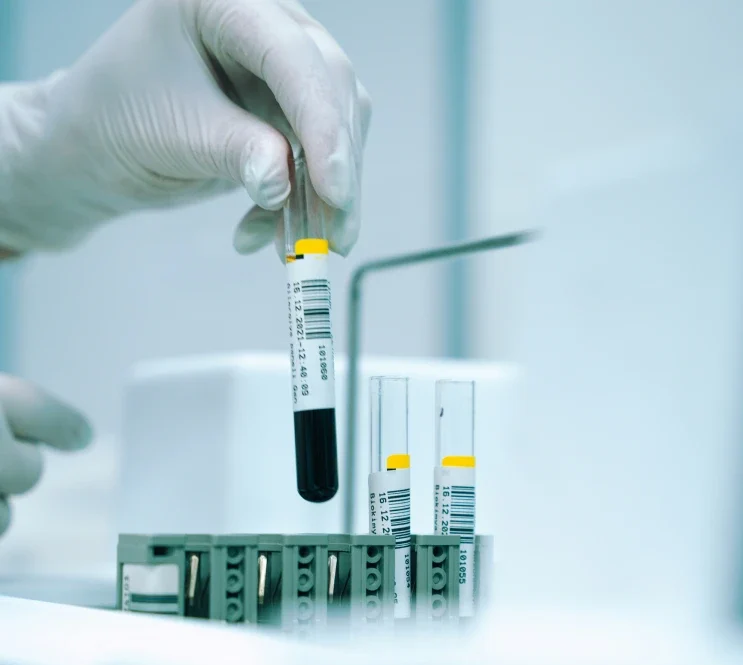
What do liver function tests check?
A standard liver panel in Australia can include up to seven markers, and each one tells your doctor something slightly different. The HealthScreen core panel includes ALT, AST, bilirubin and albumin.
| Marker | What it is | What a raised level can point to |
|---|---|---|
| ALT (alanine aminotransferase) | An enzyme found mostly in liver cells, released when they are damaged | Liver cell injury, including from fatty liver |
| AST (aspartate aminotransferase) | An enzyme in the liver, but also in red blood cells, the heart and other muscles | Liver injury, but can also rise from muscle, so it is read with ALT |
| GGT (gamma-glutamyl transferase) | An enzyme found mainly in the liver | Liver stress. Often higher in people who drink heavily |
| ALP (alkaline phosphatase) | An enzyme found in the liver and bone | Problems with bile flow, or bone conditions |
| Bilirubin | A yellow pigment made when red blood cells break down, cleared by the liver | Reduced clearance by the liver, or faster red cell breakdown |
| Albumin | A protein made by the liver | A low level can reflect reduced liver function over time |
| Total protein | All the protein in your blood, including albumin | Read with albumin |
Learn more about our diagnostic programs
What do abnormal liver function test results mean?
An abnormal result means one or more markers sit outside the lab’s reference range. It does not automatically mean liver disease. Pathology Tests Explained notes it is possible to have abnormal results without having liver disease, and healthdirect points out that conditions elsewhere in the body can affect some markers.
Doctors look at the pattern, not one number:
- ALT and AST both raised suggests the liver cells themselves are being injured.
- AST noticeably higher than ALT is often seen with alcohol.
- GGT raised on its own is a well-known alcohol marker, but it is far from perfect. A review in Australian Family Physician found only about 70% of isolated high GGT results are due to alcohol, and around 30% of heavy drinkers have a normal GGT.
Two limits are worth knowing. Liver enzyme levels don’t track how much damage there is, so a person with advanced scarring can have near-normal results. And labs don’t agree on what counts as high: the Liver Foundation has highlighted large variation in the ALT thresholds different laboratories use. That is why results are best read by a doctor who knows the rest of your picture.
Fatty liver: the reason most people should know their numbers
Fatty liver disease, now called metabolic dysfunction-associated steatotic liver disease (MASLD), affects about one in three Australian adults- and most people with it feel fine. Fatty liver is closely linked to weight around the middle, insulin resistance and cholesterol. At HealthScreen, your liver results are read alongside your HbA1c, cholesterol panel and the visceral fat measured on your Targeted MRI, because those markers usually move together. Your liver is also imaged on the Targeted MRI, so your liver blood markers and imaging are reviewed together by your physician.
A specialist on liver health
Associate Professor William Kemp, a liver specialist, spoke with HealthScreen about fatty liver disease, how much alcohol is safe for the liver, the best diet for liver health and longevity, and whether liver cleanses and detox diets work.
“A raised liver enzyme can be the first sign of a problem in someone who feels completely well, but it doesn’t tell us the cause or severity on its own. We assess the pattern alongside their medical history, medications, alcohol intake, metabolic markers and imaging to decide what needs further investigation.”
– Dr David Badov, Medical Director, HealthScreen
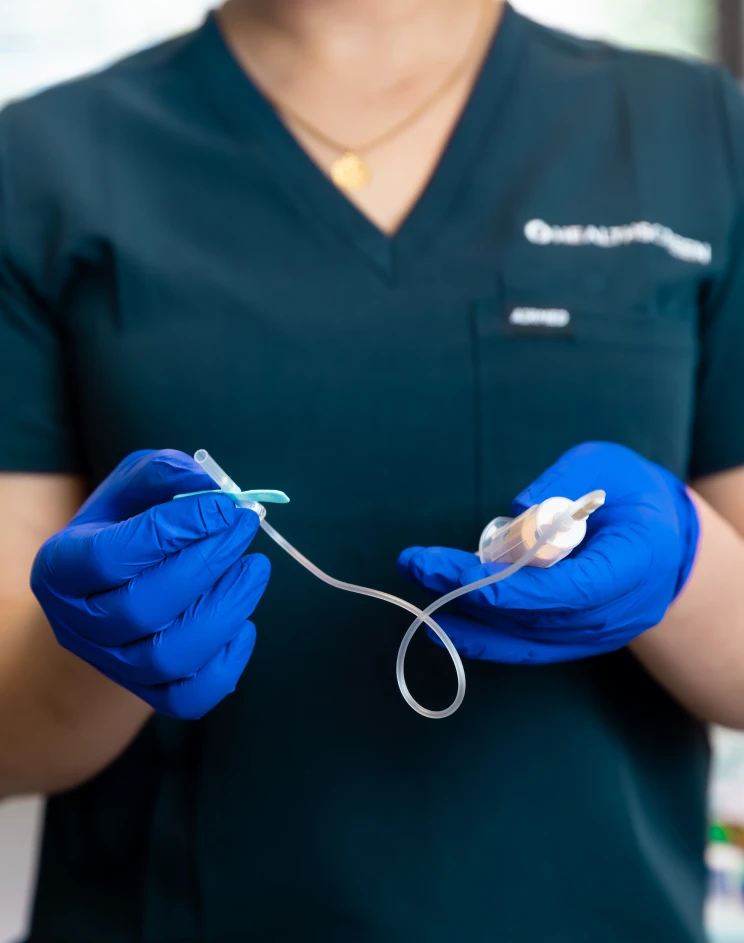
Do you need to fast for a liver function test?
No. There is no special preparation for a liver function test, though it is worth telling your doctor about recent heavy drinking, medicines and supplements, since GGT in particular can rise with alcohol.
Your HealthScreen blood panel also includes fasting tests, such as fasting glucose.
On your diagnostic day, you fast from midnight the night before: no food, juice, milk, other caloric drinks or coffee, but water is encouraged. Keep taking your regular prescribed medications, including on the morning of your appointment, unless your prescribing doctor or a HealthScreen physician has advised otherwise, and bring a complete list of your medications and supplements.
How liver function tests fit into your HealthScreen program
HealthScreen doesn’t offer liver function tests as a standalone test. They are part of the core blood panel in both the HealthScreen Program and the Platinum Program, alongside your kidney markers (EUC), blood sugar and cholesterol, taken on your diagnostic day and reviewed by a physician. If you’d like to understand the kidney side, our guide to the EUC blood test explains it.
Liver function tests are particularly relevant if you drink alcohol regularly, have metabolic risk factors or take medications that can affect the liver. Your results are typically ready within two weeks, and anything that needs prompt attention is followed up straight away. A 14-day follow-up consultation with your HealthScreen physician is included in both programs, and your physician signs off every result. From there, next steps are at your physician’s clinical judgement: further testing, a specialist referral, or no further action.
Your physician can arrange referral to a gastroenterologist or hepatologist where clinically indicated.
There are no Medicare or private health rebates on HealthScreen program fees. Pathology is bulk billed with a valid Medicare card, and any out-of-pocket costs for individual tests are discussed with you on the day.
Biomarkers vary between patients. Your Physician requests the tests that are clinically appropriate for your individual risk profile and medical history. A valid Medicare card is required. Patients ineligible for Medicare, including overseas visitors, will incur additional fees for pathology and ECG services.
Frequently Asked Questions
What is the normal range for liver function tests?
Each lab sets its own reference ranges, and they vary more than most people expect, especially for ALT. Your report will show the range your lab uses next to each result. Your HealthScreen physician will explain where you sit and whether anything needs follow-up.
Can liver function tests be normal if something is wrong?
Yes. Liver enzyme levels don’t always reflect how much damage there is, and results can be close to normal even with advanced scarring such as cirrhosis. That is one reason results are read with your other markers rather than on their own.
Why might I need a repeat liver function test?
One mildly raised result isn’t enough to draw a conclusion. healthdirect notes that an abnormal result may lead to more blood tests or imaging, and your doctor may simply repeat the test to see whether the result holds.
How much does a liver function test cost at HealthScreen?
Liver function tests are included in both the HealthScreen Program and the Platinum Program, not as an individual test. See the options here.
See the full picture of your liver health
Your liver markers make the most sense next to your blood sugar, cholesterol and liver imaging. That is what a HealthScreen diagnostic day brings together.
Get StartedSpeak to Our Team Today